Wine pairing in brief: hosting a private dinner at home
Six principles our head sommelier follows when shaping a six-course wine pairing for guests at their own table. None of them hinge on price.
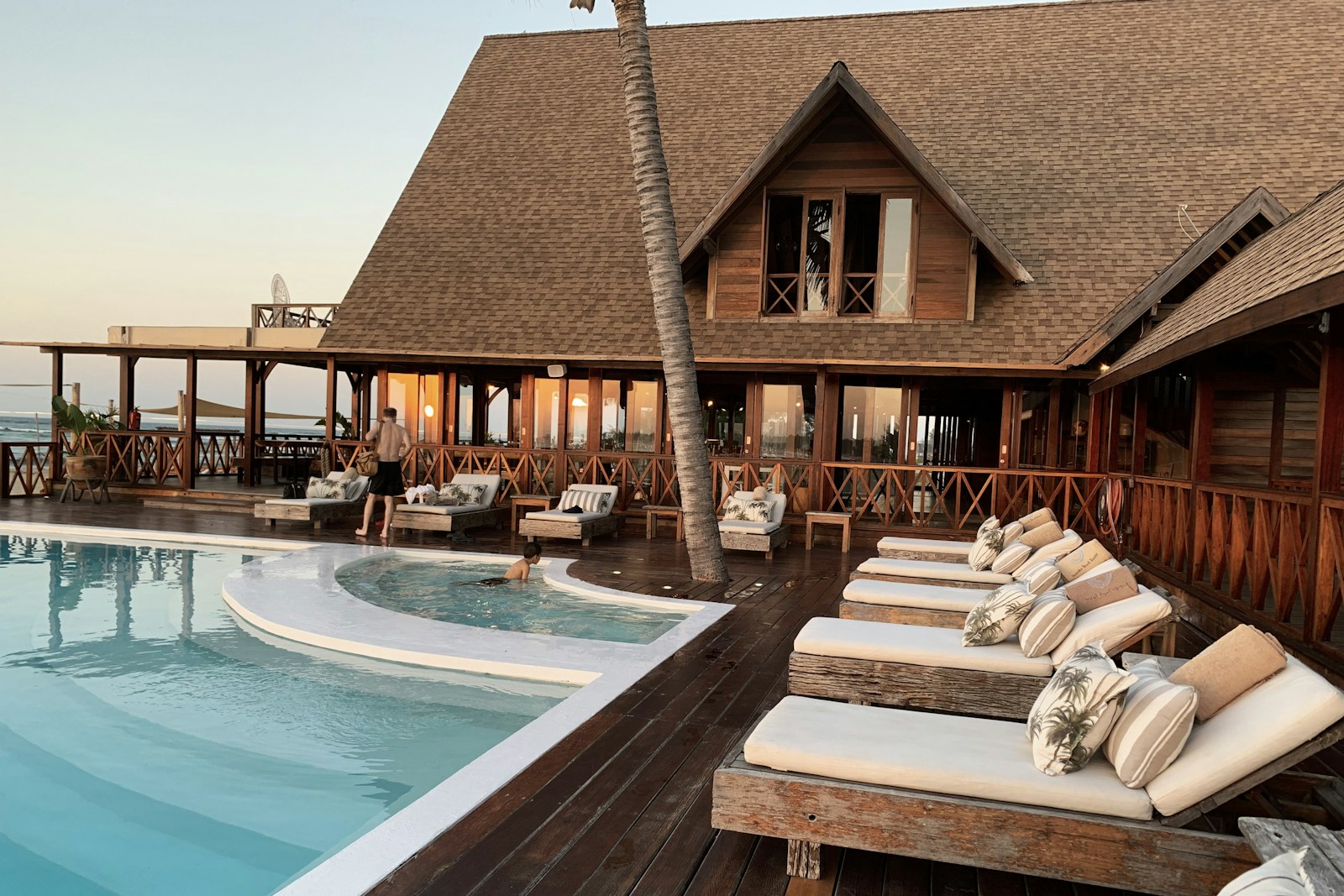
Begin with the room, not the menu
The room sets the pace. A glass-walled terrace on a summer evening will not carry the same wines as a candlelit dining room in February. Decide which of those you are hosting before you draft a list.
Two whites are usually enough
One bright, one rich. A Chablis and a barrel-aged Chardonnay; a Riesling and a White Burgundy; a Verdicchio and a richer Italian. The two-white approach carries a dinner from amuse-bouche to fish course without ever feeling repetitive.
Buy one bottle more than you think
Servings always stretch a little longer than the math suggests. We bring one extra bottle of every wine to a private dinner, every time, without exception, and the guest never sees it unless we need it.
Decant the reds you are unsure about
A reluctant young red opens with thirty minutes of air. A delicate older red collapses with twenty. When uncertain, decant the young one and leave the old one alone.
Pour smaller than you think
A 100 ml pour is generous for a paired dinner. Pour less, top up more often, and your guests will recall the wines they actually tasted.
Finish sweeter than you began
Even if dessert is bitter chocolate or a cheese board, the final glass should draw the evening toward sweet. A late-harvest Riesling, a Sauternes, a Tokaji — the choice matters less than the direction.
Prepared by the editorial team at Topazriverlodge. Last updated 2026-07-27.
— Further reading in the journal